Key Takeaways
- Material Standards: Uses high-strength aluminum alloy material, offering rust prevention, corrosion resistance, thermal insulation, and sound insulation, with a design service life of up to 20 years.
- Manufacturing Process: Features a powder coating surface treatment that resists UV rays and weathering, allowing for versatile designs and styles.
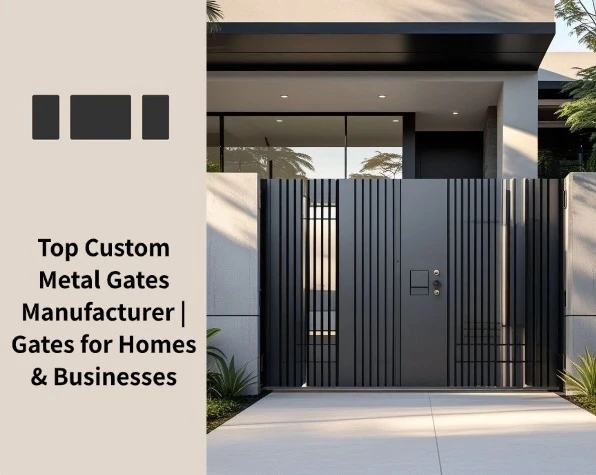
- Engineering Applications: Perfectly tailored for villas, residential buildings, hotels, and commercial structures.
- Manufacturer Capability: As a leading entrance door manufacturer, Huaye boasts 18 years of manufacturing experience, a 10,000-square-meter production base, over 10,000 design options, full support for OEM/ODM (MOQ: 1 piece), and a 5-year warranty service.
For global building contractors, real estate developers, and door and window wholesalers, locating reliable entrance door suppliers is critical to securing project delivery schedules and ensuring end-product quality. In modern building construction, aluminum alloy has gradually supplanted traditional timber and standard steel doors due to its lightweight nature, high strength, and outstanding weather resistance. This article explores material science, surface treatment craftsmanship, physical performance metrics, and manufacturing standards to provide an in-depth analysis of how to scientifically select high-quality custom entrance doors.
Aluminum Entrance Door Materials and Core Advantages
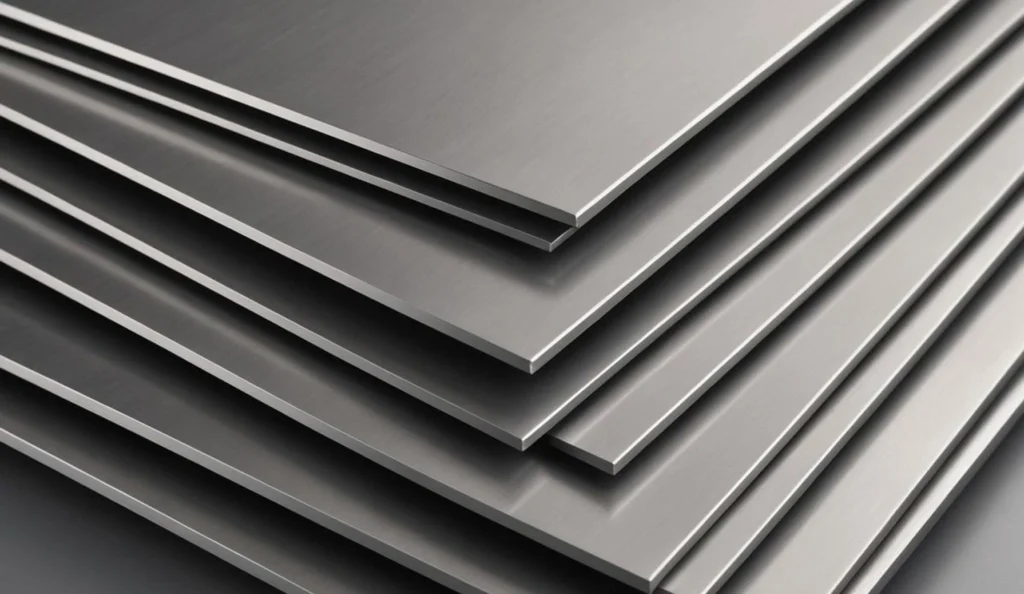
When evaluating the physical performance of aluminum entrance doors, the alloy composition and wall thickness of the base metal directly dictate wind pressure resistance levels and anti-theft security ratings. Doors manufactured with high-strength aluminum alloy material maintain high hardness while demonstrating excellent malleability and corrosion resistance.
Compared to traditional materials, aluminum alloy entrance doors offer distinct performance advantages in high-end architectural projects such as villas, residential buildings, and hotels:
| Performance Dimension | High-Strength Aluminum Entrance Doors | Traditional Wooden Entrance Doors | Standard Steel Entrance Doors |
| Rust & Corrosion Resistance | Excellent (Salt-spray & moisture resistant) | Prone to moisture damage & rot | Prone to rust; requires frequent painting |
| Service Life | 20+ years | 5–10 years (High maintenance) | 8–12 years |
| Design Versatility | Highly extensive (Fully customizable) | Constrained by material processing | Relatively monolithic |
| Structural Stability | Superior (No warping or cracking) | Expands/contracts with ambient humidity | Good, but heavy |
💡 Frequently Asked Questions
Q: Why is high-strength aluminum alloy the top choice for modern entrance doors?
A: High-strength aluminum alloy combines lightweight properties with high tensile strength, exceptional rust resistance, corrosion protection, and environmental sustainability. Its structural integrity remains uncompromised under extreme climate fluctuations without warping or cracking, making it an ideal base material for modern architectural projects.
Critical Surface Craftsmanship Defining Entrance Door Quality
The long-term protective performance of aluminum alloy substrates depends heavily on the precision and technical rigor of surface treatment techniques. Untreated aluminum alloy surfaces are highly susceptible to oxidation from environmental media. In contrast, industrial-grade powder coating creates a dense, cross-linked protective barrier over the aluminum substrate.
In standardized, high-spec production systems, the coating process strictly adheres to a multi-stage workflow:
- Degreasing and Chemical Conversion Pretreatment: Acid degreasing and chromium-free chemical conversion thoroughly cleanse natural oxide films and oil microparticles from the substrate surface, forming a micro-porous mesh structure that geometrically enhances interfacial coating adhesion.
- High-Voltage Electrostatic Powder Spraying: Utilizing a high-voltage electrostatic field, weather-resistant thermosetting polyester powder particles acquire an electrical charge and uniformly deposit onto the door piece, ensuring an even, seamless coating across dead angles, intricate patterns, and edges.
- High-Temperature Thermal Curing: The workpiece enters a temperature-controlled curing oven where melting, leveling, and cross-linking reactions occur. This process creates a stable network polymer structure that provides exceptional resistance to UV radiation, acid rain corrosion, and mechanical scratching.
Doors treated with precision powder coating effectively prevent paint peeling, chalking, and color drifting—even when exposed long-term to high-salinity coastal environments or intense ultraviolet radiation—ensuring aesthetic appeal that lasts.
💡 Frequently Asked Questions
Q: How does surface treatment help an aluminum entrance door maintain a 20-year lifespan?
A: Through standardized electrostatic powder coating and high-temperature thermal curing, the coating fuses tightly with the aluminum substrate. This effectively blocks moisture, air, and UV degradation, preventing fading, peeling, and rust to guarantee a 20-year durable service life.
Evaluating Thermal, Acoustic, and Safety Performance
The physical performance parameters of building envelope openings directly impact overall building energy efficiency, acoustic comfort, and security levels. High-quality aluminum entrance doors integrate multi-dimensional physical barrier systems into their structural design and material selection:
- Thermal Performance and Energy Control: Frame and sash structural systems generally incorporate thermal break designs. High-mechanical-strength polyamide insulating strips sever metallic heat conduction pathways, while high-density moisture-proof insulation materials fill internal cavities. This significantly lowers the overall heat transfer coefficient (K-value), reducing thermal loss and solar heat gain to support green building energy conservation goals.
- Acoustic Damping and Air Seal Integrity: To impede airborne sound transmission and structural resonance, multiple continuous weather-resistant EPDM rubber seals encircle the door leaf. Coupled with multi-point locking hardware, this system delivers tight sealing compression that attenuates external ambient noise by 30–45 dB, meeting acoustic tranquility standards for premium living spaces.
- Structural Mechanics and Fire Safety: Leveraging the high melting point and thermal stability of aluminum alloys, combined with flame-retardant core fillers, the door assembly demonstrates exceptional fireproof performance and impact strength. In emergency fire scenarios, it effectively retards flame propagation to protect structural integrity and life safety.
This multi-functional structural architecture—combining thermal insulation, sound insulation, and fireproof properties—allows high-spec aluminum entrance doors to satisfy demanding engineering requirements across villas, high-rise residential complexes, luxury hotels, and commercial buildings.
💡 Frequently Asked Questions
Q: How do aluminum entrance doors balance thermal insulation, sound insulation, and fire safety?
A: Aluminum entrance doors achieve thermal insulation through multi-cavity thermal break aluminum structures, deliver sound insulation via multi-channel sealing strips and internal acoustic insulation cores, and enhance fireproof ratings by capitalizing on high-melting-point aluminum alloys and flame-retardant core materials.
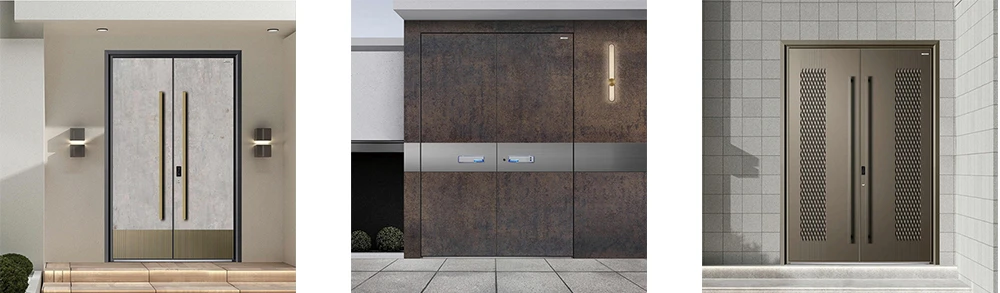
Maintenance and Long-Term Investment Value of Aluminum Doors
In Life Cycle Cost (LCC) assessments for commercial real estate and residential developments, post-occupancy operational maintenance and component longevity serve as core decision metrics. Unlike timber or standard steel doors that require periodic sanding, painting, and anti-corrosion treatments, aluminum doors demonstrate exceptionally low maintenance requirements over their 20-year service life.
To maintain peak system performance, building managers should follow a standardized maintenance routine:
- Coating Surface Cleaning: Clean the powder coating layer every six months using a neutral surfactant and soft cloth to clear accumulated particulates and salt fog deposits. Avoid aggressive acidic, alkaline, or abrasive chemical solvents.
- Drive Mechanism and Hardware Lubrication: Regularly apply acid-free lubricant to load-bearing hinges, multi-point lock latches, and mechanical lock cylinders to minimize metallic friction loss, ensuring smooth mechanical transmission and tight lock engagement.
- Elastomer Seal Inspection: Periodically check elastic sealing strips for hardening, deformation, or aging to prevent loss of air and water tightness, thereby maintaining original sound insulation and thermal insulation performance.
💡 Frequently Asked Questions
Q: How can routine maintenance extend the service life of an aluminum entrance door?
A: Periodically clean dust and debris from frame tracks, avoid exposing the powder coating to harsh acidic or alkaline agents, and lubricate hinges and lock mechanisms. Combined with standard manufacturer warranties, the door can easily achieve a 20-year operational lifespan.
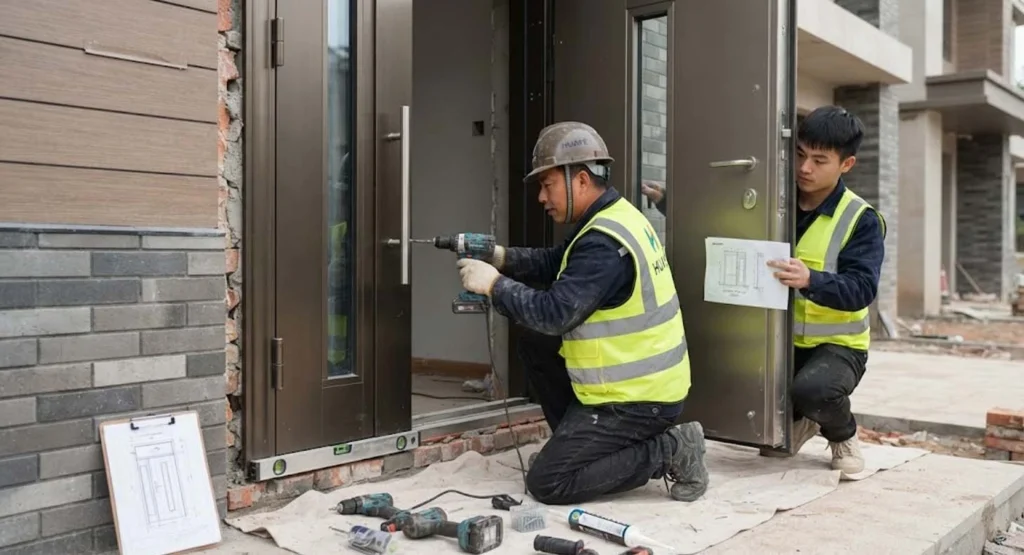
Standards for Selecting Quality Custom Entrance Door Manufacturers
For B2B buyers and project managers, choosing a qualified entrance door manufacturer requires a rigorous supply chain audit. Evaluating potential factory partners typically involves reviewing four core benchmarks:
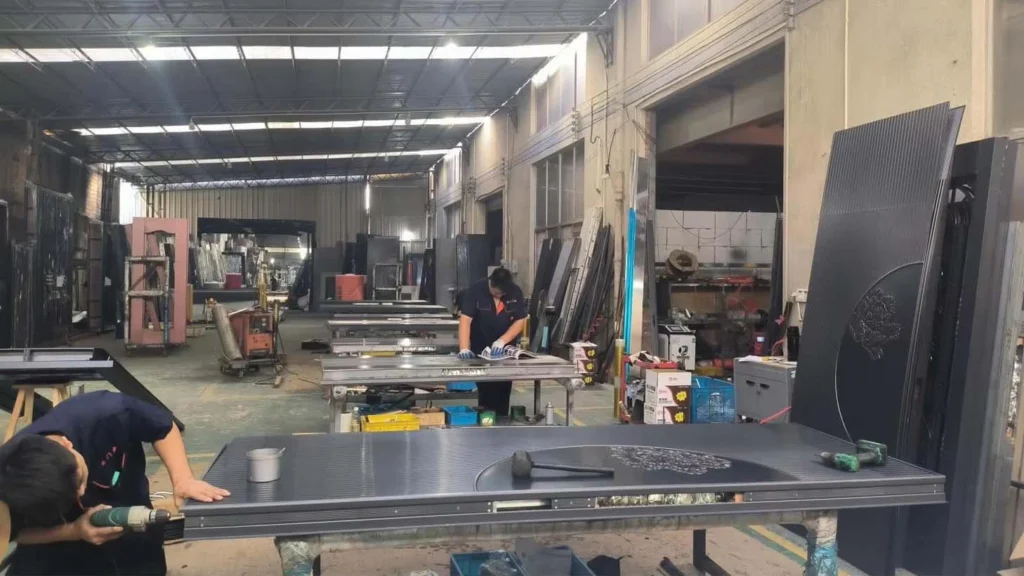
- Criterion 1: Production Scale and Supply Chain SecurityA qualified supplier must possess adequate industrial manufacturing facilities and automated processing equipment to maintain consistent lead times and uniform quality across volume engineering orders.
- stablished in 2008, Huaye operates a 10,000-square-meter modern manufacturing facility backed by 18 years of metal door manufacturing expertise, large-scale delivery capabilities, and a strict QC quality control system.
- Criterion 2: Extensive Design Library and Flexible OEM/ODM CapabilitiesArchitectural projects encompass diverse stylistic requirements. Manufacturers require deep design reserves and flexible production lines capable of executing customized dimensions, styles, colors, and hardware configurations based on technical drawings.
- Huaye offers over 10,000 design options across modern minimalist, classic European, lace pattern, and geometric styles. Supporting comprehensive custom entrance door options across colors, styles, materials, and accessories, Huaye provides full OEM/ODM services with a Minimum Order Quantity as low as 1 piece (MOQ: 1).
- Criterion 3: Premium Base Materials and Advanced Surface CraftsmanshipCompliant products must utilize certified high-strength aluminum alloys and weather-resistant surface coating technology to guarantee physical strength and anti-corrosion longevity.
- Huaye selects high-strength aluminum alloy material across its product lines, paired with automated powder coating processes to ensure a designed product service life exceeding 20 years.
💡 Frequently Asked Questions
Q: What core parameters should be prioritized when customizing an aluminum entrance door?
A: Procurement specialists should verify aluminum wall thickness, powder coating adhesion quality, thermal break strip composition, sealing strip performance, and the manufacturer’s custom entrance doors flexibility (OEM/ODM) and fulfillment capabilities.
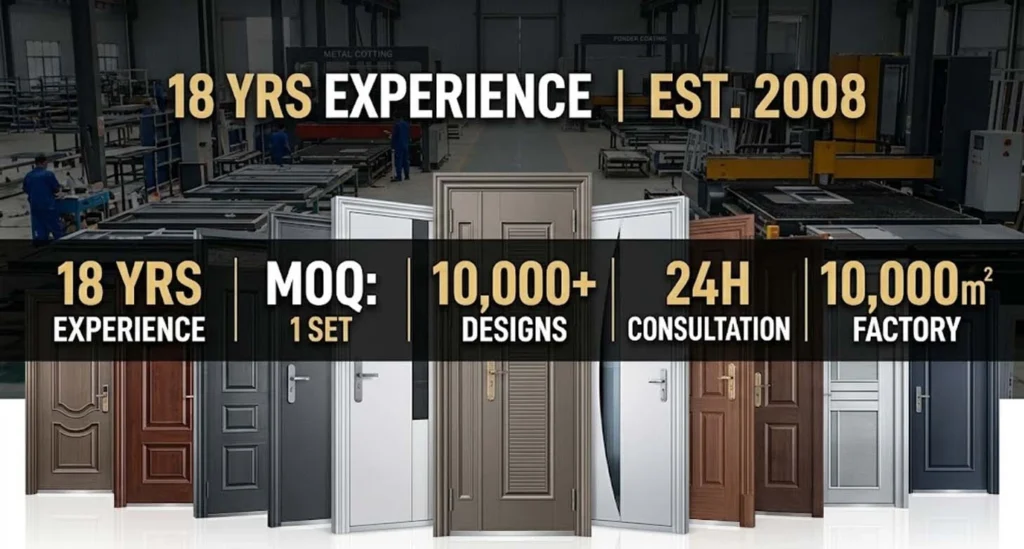
Looking for a reliable custom entrance door manufacturer? Contact Huaye—a specialized entrance door supplier with 18 years of manufacturing expertise. Reach out today for 24-hour consultation services and free sample inquiries.
| OEM&ODM Factory | Email:tom@huayegate.com | Whatapp:+86 13055509263 |
Partnering with dependable entrance door suppliers is essential to safeguarding project quality and maximizing client satisfaction. By prioritizing high-strength aluminum alloy material, refined powder coating techniques, and comprehensive physical performance engineering, buyers can confidently select entrance doors that deliver visual elegance, security, and 20 years of dependable durability.